judgment

AI

leadership

For senior leaders in ai-driven organizations

AI didn't just change
what you do.

AI didn't just change what you do.

AI didn't just change
what you do.

It changed what you believe you're capable of without it.

It changed
what you believe you're capable of without it.

It changed
what you believe you're capable of without it.

I help senior leaders see what's happening
to how they think and decide,
and rebuild from there.

I help senior leaders see what's happening to how they think and decide, and rebuild from there.

I help senior leaders see what's happening
to how they think and decide,
and rebuild from there.

THE PROBLEM NOBODY HAS NAMED

The loop that built your judgment is being quietly dismantled.

Every major technology in history displaced physical or mechanical effort. This one is different. When AI takes a cognitive task — analysis, synthesis, reasoning, judgment — it doesn't just do the work. Over time, it quietly changes your relationship with the work.


Leaders built authority through a specific loop: think hard → make a call → learn from it → build judgment. That loop is how expertise accumulates and how confidence becomes legitimate.

AI compresses that loop. Pressure to move fast. A result in 30 seconds. You evaluate, approve, move on. It feels like thinking. It is not quite the same thing.


The outputs stay high. The dashboards stay green. But nobody announces that judgment has left the building, and that's exactly what makes this dangerous.


This is what I call a cognitive authorship problem. And it is one of the most significant leadership challenges of this decade — precisely because it doesn't look like a problem until it already is one.

Every major technology in history displaced physical or mechanical effort. This one is different. When AI takes a cognitive task — analysis, synthesis, reasoning, judgment — it doesn't just do the work. Over time, it quietly changes your relationship with the work.


Leaders built authority through a specific loop: think hard → make a call → learn from it → build judgment. That loop is how expertise accumulates and how confidence becomes legitimate.

AI compresses that loop. Pressure to move fast. A result in 30 seconds. You evaluate, approve, move on. It feels like thinking. It is not quite the same thing.


The outputs stay high. The dashboards stay green. But nobody announces that judgment has left the building, and that's exactly what makes this dangerous.


This is what I call a cognitive authorship problem. And it is one of the most significant leadership challenges of this decade — precisely because it doesn't look like a problem until it already is one.

start here

free

5-email course

Who is thinking?

When did you last make a decision that felt entirely yours?

That's the question this course starts with — and builds on across five emails. Not productivity tips. Not AI literacy.


A precise look at what's happening to how you think and decide, why it's happening, and what reclaiming your judgment actually looks like.


Arrives every three days. About four minutes to read. No pitch.

That's the question this course starts with — and builds on across five emails. Not productivity tips. Not AI literacy.


A precise look at what's happening to how you think and decide, why it's happening, and what reclaiming your judgment actually looks like.


Arrives every three days. About four minutes to read. No pitch.

what i heard

Across a series of interviews with senior leaders in different industries, the same things kept surfacing, in different words, from different people.

Across a series of interviews with senior leaders in different industries, the same things kept surfacing — in different words, from different people.

"You're crossing things off a checklist and calling that deciding."

"You're crossing things off a checklist and calling that deciding."

Head of Product, e-commerce

"The sense of being in control is slipping, and the numbers are still green."

"The sense of being in control is slipping, and the numbers are still green."

Head of Data Science, energy startup

"AI has everything in the manual. But what about what isn't in the manual?"

"AI has everything in the manual. But what about what isn't in the manual?"

Marketing Manager, SaaS

"I might have tried the AI with my bias, to validate my decision."

"I might have tried the AI with my bias, to validate my decision."

Founder & CEO, education startup

"Those who stay accountable will survive. Those who just follow… will become followers."

"Those who stay accountable will survive. Those who just follow… will become followers."

Data Strategy Lead, logistics SaaS

"You're crossing things off a checklist and calling that deciding."

Senior leader, e-commerce

"The sense of being in control is slipping — and the numbers are still green."

Head of Data Science, energy startup

"AI has everything in the manual. But what about what isn't in the manual?"

Digital Manager, SaaS

"I might have tried the AI with my bias — to validate my decision."

Founder & CEO, education startup

"Those who stay accountable will survive. Those who just follow… will become followers."

Data Strategy Lead, logistics SaaS

Cognitive Authorship

To use AI with real power, you first need to know what is yours.

This is the pattern I kept finding in the research — across industries, across company sizes, in people who hadn't compared notes and weren't looking for a name for what they were experiencing.


Not a skills gap. Not an AI literacy problem. Something quieter and more structural: the conditions under which good judgment is built and maintained were being dismantled, while everything on the surface looked fine.


I call it a cognitive authorship problem. And I built this practice to close it.

This is the pattern I kept finding in the research — across industries, across company sizes, in people who hadn't compared notes and weren't looking for a name for what they were experiencing.


Not a skills gap. Not an AI literacy problem. Something quieter and more structural: the conditions under which good judgment is built and maintained were being dismantled, while everything on the surface looked fine.


I call it a cognitive authorship problem. And I built this practice to close it.

The path

This is how my work unfolds.

This is how my work unfolds.

Four stages. Each one builds on the last. The journey always starts with the individual — and what becomes possible for the team follows from there.

Four stages. Each one builds on the last. The journey always starts with the individual — and what becomes possible for the team follows from there.

01

You name what's been happening

You name what's been happening

You name what's been happening

Something has been shifting in how you think and decide and it didn't have a name yet. This is where you get one. The difference between deciding and endorsing, between leading and signing off.


Once you see it clearly, you can't unsee it.

Something has been shifting in how you think and decide and it didn't have a name yet. This is where you get one. The difference between deciding and endorsing, between leading and signing off.


Once you see it clearly, you can't unsee it.

02

You understand why

You understand why

You understand why

Most leadership content names the symptom. This goes into the mechanism, the cognitive science of how judgment erodes under speed and volume, why even experienced leaders defer to plausible output without noticing.


When you understand the why, the path back feels like knowledge, not discipline.

Most leadership content names the symptom. This goes into the mechanism, the cognitive science of how judgment erodes under speed and volume, why even experienced leaders defer to plausible output without noticing.


When you understand the why, the path back feels like knowledge, not discipline.

03

You see what it's costing you

You see what it's costing you

You see what it's costing you

Not abstract risk. You are carrying 100% of the accountability for decisions where you did 10% of the thinking.


This is the honest reckoning most leadership conversations avoid, and the moment that makes everything that follows feel necessary, not optional.

Not abstract risk. You are carrying 100% of the accountability for decisions where you did 10% of the thinking.


This is the honest reckoning most leadership conversations avoid, and the moment that makes everything that follows feel necessary, not optional.

04

You rebuild — and so does your team

You rebuild — and so does your team

You rebuild — and so does your team

The judgment loop restored.
A decision process that is genuinely yours. And something that doesn't stay personal: a leader who has reclaimed their judgment becomes a stable reference point.


The fog that cascaded down from the top begins to lift, because the person at the top is no longer inside it.

The judgment loop restored.
A decision process that is genuinely yours. And something that doesn't stay personal: a leader who has reclaimed their judgment becomes a stable reference point.


The fog that cascaded down from the top begins to lift, because the person at the top is no longer inside it.

What this looks like inside teams

This is not about using AI less. It's about becoming the kind of leader for whom AI is a lever, not a crutch.

This is not about using AI less. It's about becoming the kind of leader for whom AI is a lever, not a crutch.

The leaders who use AI most powerfully are not the ones who know the tools best.


They are the ones whose judgment was never outsourced in the first place.

FOr WHOM

Does it ever feel like your job is increasingly about reacting to AI output rather than generating your own thinking?

Does it ever feel like your job is increasingly about reacting to AI output rather than generating your own thinking?

If this sounds familiar, you're in the right place.

If this sounds familiar, you're in the right place.

  • You're a senior leader — Head of, Director, VP, or Founder — with 8 to 15 years in your field. Your judgment is your currency.

  • You use AI constantly and you're not against it. But somewhere between the speed and the volume of outputs, the thread back to your own thinking has gotten thinner.

  • You're not looking for AI tutorials. You're not looking for reassurance that you're still valuable. You know you are. You're looking for something more specific than that.


  • When a genuinely hard decision arrives — one with no clean data, no AI answer, just uncertainty — you want to feel as sharp as you used to. You're not sure you do.

If this sounds familiar, you're in the right place.

WORK WITH ME

This is where the work happens.

Advisory
1:1 with senior leaders

This is not coaching. It is structured, private work moving through the full arc from recognition to redesign.

We name what's been happening to your judgment. We go into the mechanism. We face what it's costing you. And then we rebuild the internal process, the decision architecture, the conditions under which real authority operates.

Leaders who do this work come out the other side knowing exactly what is theirs and using AI with a power they didn't have before.

Speaking & Trainings
For leadership teams and conferences

Most leadership sessions on AI leave people informed but unchanged. This one works differently.


By the end, every leader in the room has a name for something they've been feeling, and understands exactly why it's been happening. That recognition, shared across a team, changes how people talk about decisions, accountability, and what real judgment looks like under AI pressure.


For leadership offsites, L&D programs, and conferences.

WHO I AM

Built from research, not opinion.

Hi, I'm Milene. I help senior leaders reclaim their judgment in a world where AI is already in the room.

I started this work because I kept finding the same pattern – consistent, serious, and completely absent from the existing conversation. Something important is being lost in the speed of AI adoption, and it's happening to people who are good at their jobs, who care about doing things well.


This practice exists to help leaders reclaim what was quietly taken from them by speed, volume, and the fog of AI abundance.

This territory is unoccupied. Not because the problem isn't real, but because naming it is commercially inconvenient for everyone selling AI tools and AI strategy.

Hi, I'm Milene. I help senior leaders reclaim their judgment in a world where AI is already in the room.

Published work

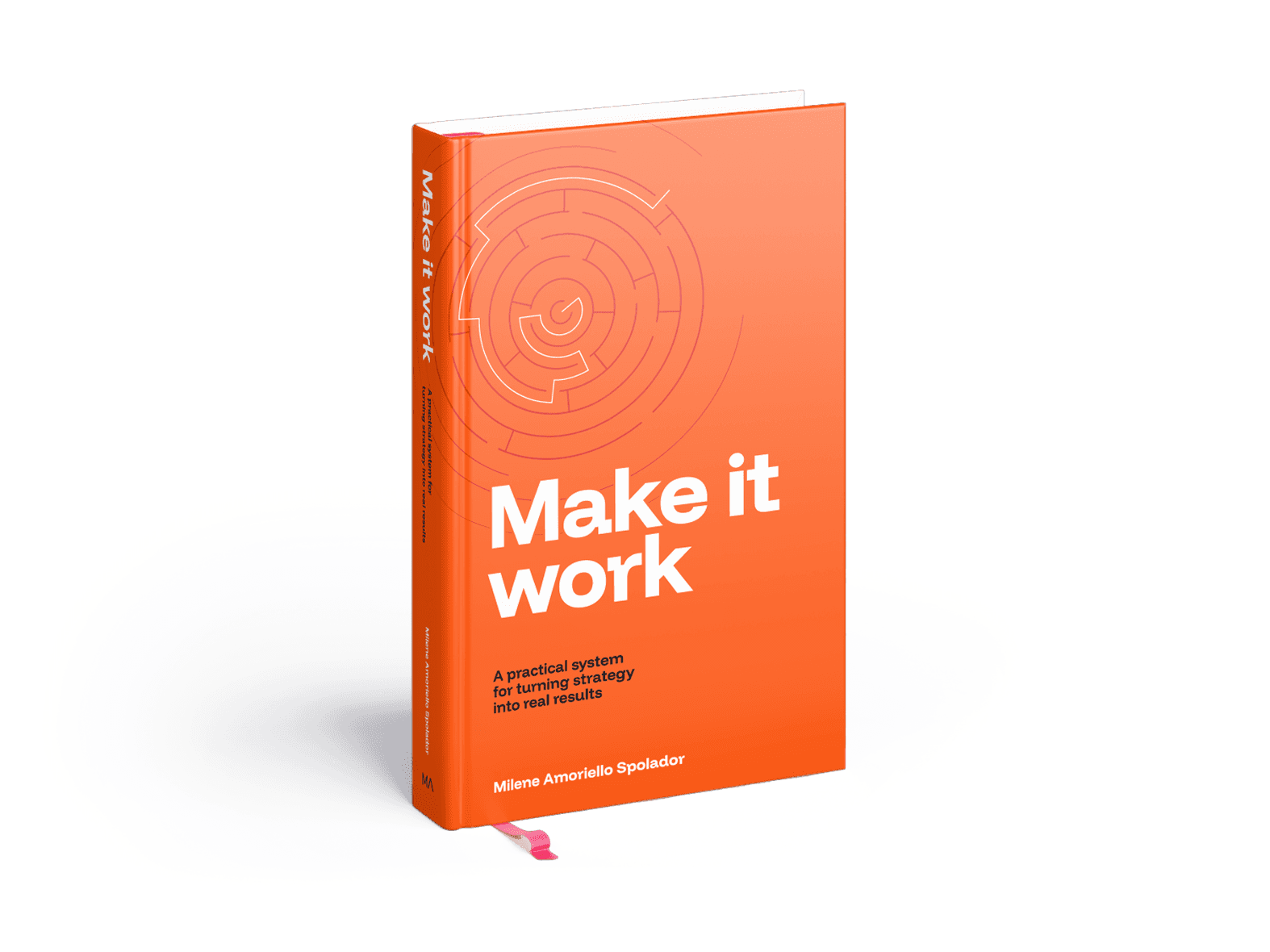
Make it Work

A practical system for turning strategy into real results

Make it Work

A practical system for turning strategy into real results

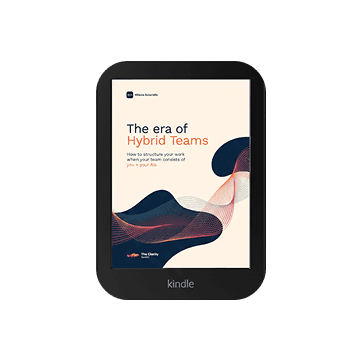
The Era of Hybrid Teams

How to structure your work when your team consists of you + your AIs

The Era of Hybrid Teams

How to structure your work when your team consists of you + your AIs

A third book is in development.

On cognitive authorship and leadership in AI-driven organizations

A third book is in development.

On cognitive authorship and leadership in AI-driven organizations

Coming soon

Coming soon

This is the conversation most
leaders haven't had yet.

A first conversation costs nothing except honesty. We start with what you're already feeling — and see where it leads.

Drone shot of a running track at night

This is the conversation most leaders
haven't had yet.

A first conversation costs nothing except honesty. We start with what you're already feeling — and see where it leads.

Drone shot of a running track at night

This is the conversation most
leaders haven't had yet.

A first conversation costs nothing except honesty. We start with what you're already feeling — and see where it leads.

Drone shot of a running track at night